Tried every whitening strip, kit and dentist session and your teeth still won’t go white? You’re not doing it wrong — some stains genuinely can’t be bleached out. This honest guide explains the difference between stains that whitening removes and the ones it can’t touch, what actually works for each, and the reliable way to get a bright, even smile when whitening has hit its limit.
Of Tooth Stain
Won’t Bleach Out
Veneers Achieve
Bright Smile
Teeth won’t whiten when the discolouration is “intrinsic” — inside the tooth rather than on the surface — because whitening bleach only lifts surface (extrinsic) stains. Intrinsic stains from tetracycline antibiotics, fluorosis, root-canal-treated teeth, ageing or genetics simply don’t respond to bleaching. Professional whitening is still worth trying first for surface stains, but when it can’t get you white, the reliable fix is porcelain veneers, which cover the teeth in any shade you choose for a bright, even, permanent result.
The Two Types of Tooth Stain
Understanding why your teeth won’t whiten starts with one crucial fact: there are two completely different kinds of stain, and whitening only works on one of them.
Extrinsic Stains (on the surface)
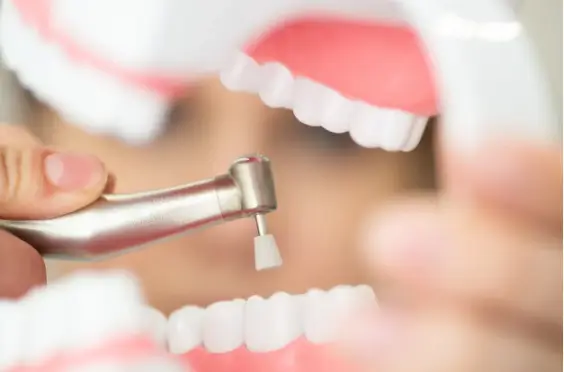
Surface stains from coffee, tea, red wine, smoking and coloured foods sit on the outer enamel. These are exactly what whitening — and even a good hygienist clean — can lift.
Intrinsic Stains (inside the tooth)
Discolouration coming from within the tooth — in the dentine beneath the enamel. Bleach can’t reach it, so these stains barely change no matter how much you whiten.
If your teeth won’t respond to whitening, it’s almost always because your discolouration is intrinsic — and no amount of stronger gel or longer wear time will fix an internal stain from the outside.
Why Whitening Won’t Work on You
Whitening gels work by using peroxide to break down the coloured molecules sitting on and just inside the enamel surface. That’s brilliant for years of coffee and wine staining. But when the colour is built into the deeper structure of the tooth, the peroxide simply can’t get to it. You can whiten the surface as much as you like, but the underlying shade shows straight through.
This is why people with intrinsic staining often describe the same frustrating experience: the strips make their teeth feel cleaner and maybe a shade brighter for a week, then they look exactly as before — or the teeth become sensitive without ever getting truly white. It isn’t a failure of effort or the product; it’s simply that whitening is the wrong tool for that type of stain.
What Causes Intrinsic (Un-Whitenable) Stains?
Intrinsic discolouration has several common causes, and knowing yours helps explain why bleaching hasn’t worked:
- Tetracycline antibiotics taken in childhood (or by the mother during pregnancy) bind into the developing teeth, causing grey, brown or banded stains that are famously resistant to whitening.
- Fluorosis — too much fluoride during tooth development — leaves white flecks or brown mottling within the enamel.
- A root-canal-treated or traumatised tooth can darken from the inside, often leaving a single grey tooth among white ones.
- Ageing naturally thins the enamel and exposes the yellower dentine underneath, which whitening can’t lighten.
- Genetics and enamel defects mean some people simply have naturally darker or greyer dentine.
- Old fillings or decay can discolour a tooth in a way bleach won’t touch.
A single dark tooth (usually after an old knock or root canal) is a classic case whitening can’t fix — you can’t bleach one tooth to match the rest. A single veneer or crown is the usual solution, colour-matched to your natural teeth.
How to Tell Which Type You Have
You can often get a good clue yourself before seeing a dentist:
- Even, yellow-brown surface staining that looks worse near the gum line and after coffee is usually extrinsic — whitening should help.
- Grey tones, white flecks, brown bands or mottling, or a smile that’s stayed dull despite whitening, points to intrinsic staining.
- One tooth darker than the others is almost always intrinsic (internal) discolouration.
The definitive answer comes from a dentist, who can tell surface from internal staining at a glance and advise whether whitening is worth trying or whether you’ll get a better result going straight to veneers. Send a clear photo and we’ll give you an honest opinion for free.
When Whitening IS Worth Trying First
To be fair to whitening — it’s excellent for the right stains, and it’s the most conservative option, so it’s usually worth trying first if your staining is surface-level. Professional teeth whitening done by a dentist is far stronger and safer than shop-bought strips, and can lift years of coffee, tea and wine staining several shades in a single session.
If you mainly have extrinsic staining and simply want a brighter version of your own teeth, start there — it’s quicker, cheaper and touches nothing but the surface colour. Veneers come into the picture when whitening either can’t reach the stain, or when you also want to fix the shape, size or alignment of your teeth at the same time.
The Limits of Whitening — Honestly
Even at its best, whitening has hard limits worth knowing before you keep spending on kits:
- It cannot lighten intrinsic stains (tetracycline, fluorosis, dark root-treated teeth, aged dentine).
- It cannot whiten a single tooth to match its neighbours.
- It doesn’t change fillings, crowns or veneers — only natural tooth surface.
- It fades over months and needs topping up, especially if you drink coffee or wine.
- Overdoing it can cause sensitivity and gum irritation without improving deep stains.
When you recognise your situation in that list, it usually means you’ve reached the end of what bleaching can do — and it’s time to look at a solution that changes the actual colour of the teeth you see, permanently.
Stain Solutions Compared
How Veneers Fix Stains Whitening Can’t Touch
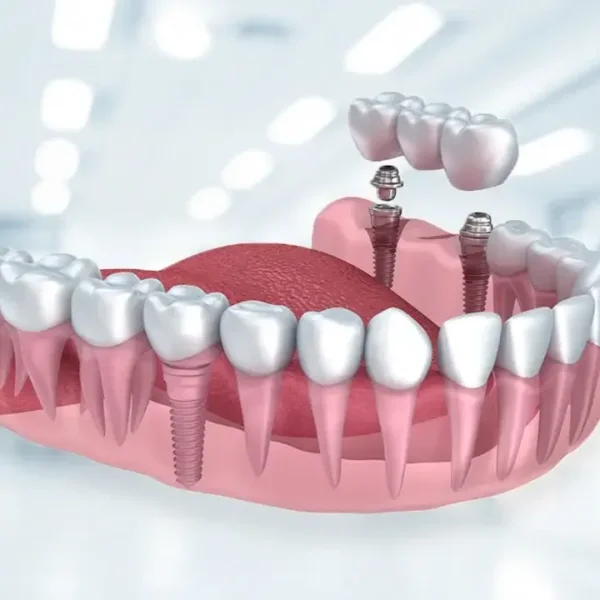
Where whitening tries to lighten your existing tooth colour, dental veneers take a different approach entirely: they cover the front of the tooth with a new porcelain surface in whatever shade you choose. Because the veneer sits over the stain, it doesn’t matter how dark or stubborn the discolouration underneath is — tetracycline banding, fluorosis, a grey root-treated tooth, aged dentine — the veneer simply hides it and shows the colour you selected.
- Any shade is achievable: from a subtle natural white to a brighter Hollywood shade, and it stays that colour.
- Even and uniform: the whole smile is designed together, so there are no mismatched or dark teeth.
- Stain-proof: genuine E-max porcelain resists coffee, tea and wine far better than natural enamel, so it doesn’t yellow over time.
- Fixes more than colour: the same treatment can correct chips, small teeth, gaps and minor crookedness while it’s at it.
This is exactly why veneers are the go-to answer for people whose teeth won’t whiten — they don’t fight the stain, they replace the visible surface. A full-smile version of this is known as a Hollywood smile, and you can see all the materials and options on our cosmetic dentistry in Turkey page.
Getting a Natural White — Not a Fake One
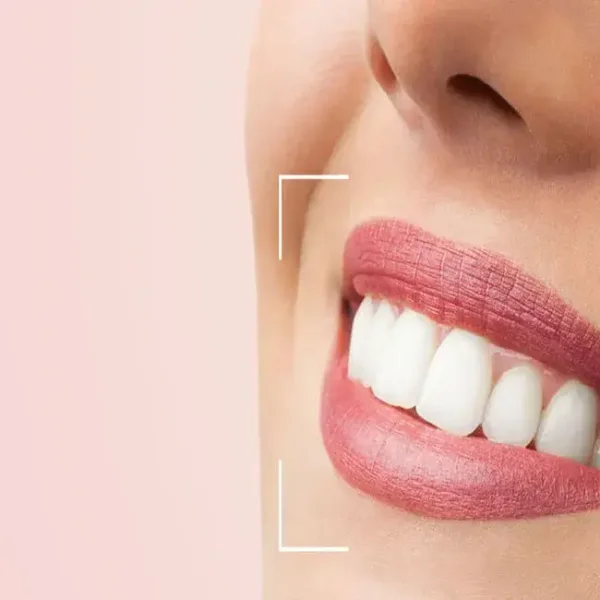
A common worry is ending up with an obvious, blinding-white “fake” look. That’s a design choice, not an inevitability. With digital smile design and E-max’s lifelike translucency, a good dentist can give you a shade that’s noticeably brighter but still believable for your face — the sort of white that makes people say you look well-rested rather than “you’ve had your teeth done.”
If you specifically want a very bright, uniform Hollywood white, that’s available too. The point is that you choose the shade at the design stage, and a reputable clinic will steer you toward a result that looks natural and ages well rather than the over-white look that dates quickly.
Veneers in Turkey: What It Costs
Cost is the main reason patients with stubborn stains travel to fix their smile in Turkey. The same genuine E-max porcelain costs a fraction of UK, EU and US prices — because clinic and lab costs are lower, not the standard of care.
*Clinic Mono full-set price is all-inclusive of hotel, VIP transfers and aftercare. Western prices are typically for the dentistry alone. Many stained-teeth cases only need veneers on the visible front teeth.
Most smile makeovers are completed in one 5–7 day trip. Full detail on materials, process and pricing is on our veneers in Turkey page.
Why Patients Choose Clinic Mono in İzmir
Clinic Mono is a trusted choice for treating stubborn, un-whitenable staining, and the feedback from international patients is consistently positive — especially from people who’d wasted money on whitening for years, and about how natural (not fake-white) the results look.
Honest Advice: Whitening First If It’ll Work
We’ll tell you if professional whitening would get you there more simply — and only recommend veneers when your staining genuinely won’t bleach out.
Natural Shade Matching
Experienced cosmetic dentists using digital smile design and genuine E-max to give you a bright but believable white designed for your face.
All-Inclusive, English-Speaking Care
Treatment, hotel, VIP transfers and aftercare in one transparent price, with English-speaking support throughout.
I had tetracycline staining from antibiotics as a kid — grey bands that no whitening ever touched, and believe me I tried them all for fifteen years. Clinic Mono explained straight away that bleaching would never work and did E-max veneers instead. My teeth are finally white and even, and they look completely real. I only wish I’d stopped wasting money on strips sooner.
Are You a Candidate?
Veneers May Suit You If…
- →Your teeth won’t respond to whitening (intrinsic stains)
- →You have tetracycline, fluorosis or a grey dead tooth
- →You want a bright, even, permanent colour
- →Your teeth and gums are healthy
Try Whitening First If You…
- →Mainly have surface (coffee/wine) staining
- →Are happy with the shape and alignment of your teeth
- →Want the most conservative, lowest-cost option
- →Have untreated decay or gum disease (treated first)
Send a clear photo of your smile and we’ll tell you honestly whether your staining will whiten or whether veneers are the better route — no pressure to choose the more expensive option.
Glossary
Frequently Asked Questions
Teeth Won’t Whiten? Get a Free Assessment
Send a clear photo of your smile via WhatsApp and our dental team will reply within 24 hours with an honest verdict on whether your staining will whiten or whether veneers are the better route — plus a transparent all-inclusive price. No obligation, no pushy follow-ups.