Body Shape · Updated for 2026
An apron belly is more than a cosmetic frustration — for many people it’s a daily source of chafing, rashes and discomfort that no diet seems to touch. This guide explains exactly why the lower abdomen hangs, what genuinely helps day to day, and the one treatment that actually removes it for good.
Of Apron Belly
What It’s Made Of
Removal in Turkey
Surgical Result
Quick Answer
An apron belly (medically, a pannus) is the hanging fold of excess skin and fat over the lower abdomen, caused by pregnancy, weight gain or major weight loss. Diet and exercise can reduce the fat component, and good hygiene manages the symptoms — but once the skin has stretched and lost its elasticity, the apron itself won’t retract. The only treatment that removes it permanently is surgery: a tummy tuck or a panniculectomy.
What Is an Apron Belly?
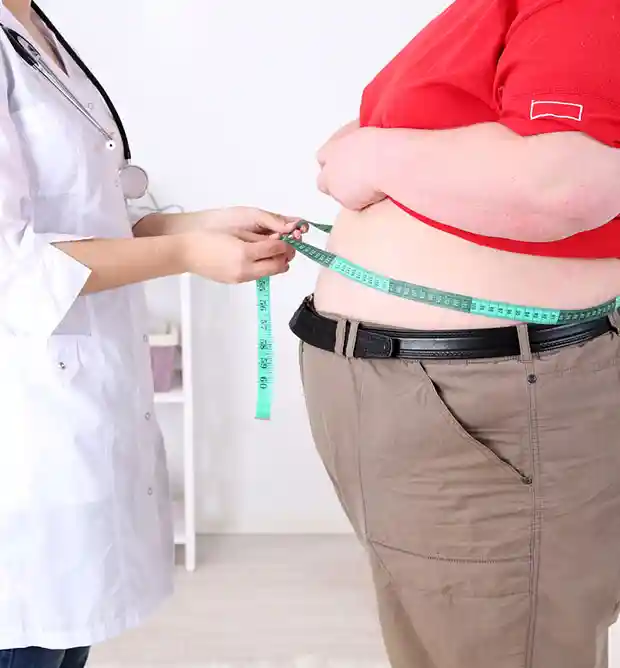
An apron belly is a fold of skin and fat that hangs down over the lower abdomen, sometimes covering the pubic area or even the thighs in more pronounced cases. You’ll also hear it called a pannus, a pannus stomach, or a “mother’s apron.” The name describes it well: like an apron, it hangs from the waistline and drapes downward.
It forms when the abdomen has been stretched — by pregnancy, by weight gain, or both — and then the skin and connective tissue can’t shrink back to fit a smaller frame underneath. Crucially, an apron belly is made of two different things: fat, which can be reduced, and loose skin, which cannot. Understanding that split is the key to knowing what will and won’t work for you.
What Causes an Apron Belly
The common thread is the abdominal skin being stretched for a prolonged period and losing its elastic recoil. The main drivers are:
- Pregnancy — especially multiple pregnancies, large babies or twins, which stretch the abdominal wall and skin significantly.
- Weight gain — when fat accumulates in the abdomen over years, the skin stretches to accommodate it and may not retract if the weight comes off.
- Major or rapid weight loss — including after bariatric surgery such as gastric sleeve or gastric bypass, or with GLP-1 medications. The fat goes, but the stretched skin is left behind as an apron.
- Ageing and genetics — skin elasticity naturally declines with age, and some people are simply more prone to skin laxity.
None of these reflect a personal failing. An apron belly is the predictable result of the skin being asked to stretch further, or for longer, than it can recover from.
The 3 Grades of Apron Belly
Surgeons loosely grade a pannus by how far it hangs, which helps determine the right treatment.
Mild — Slight Overhang
A small fold that overhangs the waistband but doesn’t reach the pubic area. Often improves with fat loss if skin elasticity is reasonable.
Moderate — Reaches the Pubic Area
The apron hangs to or just past the pubic region. Hygiene and chafing become daily issues. Surgery is usually needed for a real change.
Severe — Covers the Thighs or Beyond
The apron extends over the upper thighs or further. Significant functional impact. Surgical removal (often a panniculectomy) is the definitive answer.
The Health Problems an Apron Belly Can Cause
For many people an apron belly is not just about appearance — it causes genuine, ongoing physical problems. This matters because it changes the conversation from “cosmetic want” to “functional need.”
Intertrigo and Skin Infections
The fold traps heat and moisture against the skin, creating the perfect conditions for intertrigo — a sore, red, sometimes weeping rash — and recurrent fungal or bacterial infections in the crease.
Chafing and Broken Skin
The apron rubs against the skin below and against clothing, leading to raw, irritated or broken skin that can be painful and slow to heal.
Odour and Hygiene Difficulty
Keeping the area clean and dry is a constant effort, and trapped moisture can cause a persistent odour that washing alone struggles to resolve.
Back Pain and Restricted Movement
A heavy apron pulls on the lower back and can make exercise, certain clothing and everyday movement uncomfortable — sometimes undermining the very activity that weight loss was meant to enable.
Recurrent rashes, infections or skin breakdown under the fold mean the apron has crossed from a cosmetic concern into a functional medical problem. Document these symptoms clearly — they’re relevant to your assessment and, in some countries, to whether removal may be considered medically necessary.
Can Diet and Exercise Get Rid of an Apron Belly?
Partly — and it’s always sensible to start here, but with realistic expectations. Diet and exercise can reduce the fat component of the apron, which may shrink it noticeably, particularly if it’s mild and your skin still has some elasticity. What they cannot do is remove loose skin.
This is the crux: there’s no such thing as spot reduction, so you can’t target the apron specifically — fat comes off the whole body. And once skin has been stretched past its elastic limit, losing the underlying fat often makes the apron hang more, not less, because there’s less volume holding it up. Many people lose a great deal of weight expecting the apron to disappear, only to find a deflated, hanging fold left behind. That’s not a failure of effort — it’s simply what loose skin does.
Managing the Symptoms Day to Day
While you decide on a longer-term solution, these measures genuinely reduce the discomfort of living with an apron belly:
- Keep the fold clean and dry — wash gently, dry thoroughly, and consider a soft cloth or moisture-wicking liner in the crease.
- Use a barrier or anti-chafing cream to protect against friction and rashes.
- Wear supportive clothing or an abdominal support band to lift the apron and reduce pulling.
- Treat rashes early — see a pharmacist or doctor for antifungal or barrier products if intertrigo develops.
These manage the symptoms but don’t change the apron itself. If it’s significantly affecting your comfort, hygiene or confidence, surgical removal is the only way to actually be rid of it.
The Surgical Options for Removing an Apron Belly
There are two operations that remove a pannus, and the right one depends on your goals and whether muscle repair is needed.
Tummy Tuck (Abdominoplasty)
Removes the apron of skin and fat, and tightens the abdominal muscles, re-draping a flat, contoured stomach. The cosmetic gold standard.
Panniculectomy
Removes only the hanging apron of skin and fat, without muscle tightening or reshaping. More functional than aesthetic; sometimes covered by insurance where medically necessary.
Where stubborn fat sits alongside the apron — at the flanks or waist — liposuction is often combined with a tummy tuck to refine the overall contour.
Tummy Tuck vs Panniculectomy: Which Do You Need?
For most people who want a flat, smooth result, a tummy tuck is the answer because it reshapes as well as removes. A panniculectomy is more about resolving a functional problem. The full picture for the cosmetic option is on our tummy tuck in Turkey page.
Cost in Turkey
A note for UK readers: the NHS occasionally funds a panniculectomy where there’s a documented medical need (recurrent infections, ulceration), but cosmetic tummy tucks are not covered and waiting lists for any abdominal surgery are long — which is why many people look abroad. Turkish prices are lower because of lower hospital and operating costs, with surgery performed in accredited hospitals. See the tummy tuck in Turkey page for current packages.
Why Patients Choose Clinic Mono in İzmir
Patients consistently describe Clinic Mono as the place that finally took their apron belly seriously — both the physical symptoms and the toll it had taken on their confidence.
Board-Certified Plastic Surgeons
Experienced surgeons who handle post-weight-loss and post-pregnancy bodies routinely, in a fully accredited hospital.
The Right Operation for You
You’ll be guided to the procedure that fits your goals — full reshaping or functional removal — with clear, honest reasoning.
All-Inclusive, English-Speaking Care
One transparent price covering surgery, hotel, transfers and aftercare, with English-speaking support throughout and after you return home.
After losing nearly seven stone I was left with an apron that gave me constant rashes — I’d given up swimming, dresses, everything. Clinic Mono removed it completely and the relief, physically and emotionally, is hard to put into words. The team were kind about something I’d been embarrassed about for years.
Recovery After Apron Belly Removal
Rest & Compression
Gentle movement bent slightly forward, a compression garment, and prescribed pain relief. Drains, if used, usually come out this week.
Light Routine & Flying Home
Most patients manage light daily activity and fly home. No heavy lifting yet.
Exercise Resumes
With clearance, you return to full activity. Swelling steadily settles and the new flat contour emerges.
Final Result
Swelling fully resolves and the scar begins to fade into the bikini line. The apron — and its daily problems — are gone for good.
Mistakes to Avoid When Tackling an Apron Belly
An apron belly is frustrating enough without wasting time and money on approaches that can’t work. These are the most common missteps.
Believing “Targeted” Exercises Will Lift It
There’s no exercise that removes an apron — you can’t spot-reduce fat, and no movement tightens loose skin or shortens a stretched abdominal wall. Endless lower-ab routines build muscle hidden beneath the apron and change nothing you can see.
Expecting Weight Loss Alone to Fix It
Losing weight can shrink the fatty part of an apron, but on stretched, inelastic skin it often makes the fold hang more rather than less. Many people lose a great deal only to be disheartened by what’s left. Weight loss is worthwhile for health — just don’t expect it to remove loose skin.
Chasing Creams, Wraps and Devices
No cream, slimming wrap or at-home device tightens significant loose skin. They’re a costly detour. Mild laxity may respond a little to professional energy treatments, but an established apron does not.
Choosing the Cheapest Clinic on Price Alone
If you do opt for surgery, the biggest mistake is booking on price without checking surgeon credentials, hospital accreditation and aftercare. The savings of a budget clinic are not worth the risk for an operation of this size.
Glossary
Frequently Asked Questions
Ready to Be Rid of the Apron for Good?
Send clear photos via WhatsApp and our plastic surgeons will reply within 24 hours with an honest assessment, the right procedure for you, and a transparent all-inclusive price. Discreet, no obligation, no pressure.