Procedure Overview
Get a Free Consultation
Dermatology & Plastic Surgery · Updated for 2026
Whether you have a mole that catches on clothing, one you’ve been worried about, or one you simply want gone for cosmetic reasons — this guide walks through every removal method, the safety checks that matter, and exactly what to expect when you have your moles removed at Clinic Mono in İzmir.
📝 Written by Clinic Mono Editorial Team
From £50
Per Mole
Per Mole
15–30 Min
Per Procedure
Per Procedure
5 Methods
Tailored to Each Mole
Tailored to Each Mole
Same Day
Outpatient Discharge
Outpatient Discharge
Quick Answer
Mole removal is a quick outpatient procedure performed under local anaesthesia using one of five techniques: surgical excision, shave excision, laser, cryotherapy or radiofrequency. At Clinic Mono in İzmir, mole removal costs from £50 per mole, takes 15–30 minutes per mole, and every excised sample is sent to our in-house histopathology lab for safety analysis — a standard many low-cost clinics skip.
What Is Mole Removal?
Mole removal is a minor medical procedure that takes out a pigmented skin growth — known clinically as a nevus — for one of two reasons: medical safety or cosmetic preference. The procedure is brief, usually 15 to 30 minutes per mole, and performed under local anaesthesia in a clinic setting. No general anaesthesia, no hospital admission, no overnight stay.
The choice of method depends on the mole itself. Flat, evenly pigmented moles often respond well to laser. Raised, fleshy moles may be best removed with shave excision. Anything suspicious or deep needs full surgical excision followed by histopathology — laboratory analysis under a microscope to confirm the tissue is benign and rule out skin cancer.
At Clinic Mono, every patient has their moles assessed in person by a board-certified specialist before any removal happens. We don’t perform “quick laser zaps” on moles that haven’t been examined first — and neither should any responsible clinic.
Cosmetic vs Medical Mole Removal
A cosmetic mole removal is a personal choice. The mole is benign, but you’d prefer it gone — for aesthetic reasons, because it catches on clothing, or because it affects how confident you feel. You pay privately for this, and it’s not covered by public health systems.
A medical mole removal happens when a doctor identifies a mole as potentially worrying or cancerous. In the UK, the NHS will remove a medically concerning mole through a dermatology referral, but it generally refuses cosmetic removals. Even when accepted, NHS waiting times for non-urgent dermatology referrals routinely stretch beyond 18 weeks.
At Clinic Mono, both pathways are handled by the same surgical team, and every excised mole goes for histopathological testing — even if the original reason was purely cosmetic. We consider this a non-negotiable safety standard, not an optional upgrade.
Common Reasons People Have Moles Removed
Patients come to us for mole removal for five overlapping reasons. There’s no “wrong” reason to want a mole gone, but every case deserves a proper in-person examination first.
- Cosmetic appearance — a visible mole on the face, neck, décolletage or other prominent area that affects how you feel about your reflection.
- Suspicion of skin cancer — a mole that has changed in size, colour or shape, or simply looks “different” from your others. This is the most important reason and the most time-sensitive.
- Physical irritation — a mole that catches on bra straps, waistbands, collars or razors, leading to repeated bleeding, scabbing or discomfort.
- New moles appearing in adulthood — most moles develop before age 30. A new mole appearing in your 40s, 50s or beyond always warrants professional review.
- Confidence and quality of life — sometimes the most honest answer is “it bothers me, and I want it gone.” That’s a valid reason on its own.
If your reason falls into the suspicion category — particularly anything matching the ABCDE warning signs below — please book an assessment as soon as possible rather than reading further. Early detection is by far the most important factor in skin cancer outcomes.
Is Your Mole Suspicious? The ABCDE Warning Signs
Dermatologists worldwide use a simple framework called the ABCDE rule to identify moles that might be cancerous. It’s not a substitute for professional examination, but it’s a sensible starting point you can use at home — and a strong reason to book an in-person assessment if anything matches.
A
Asymmetry
A healthy mole is symmetrical: if you draw an imaginary line through the middle, both halves match. A suspicious mole is asymmetrical — the two halves don’t mirror each other.
B
Border
Healthy moles have smooth, even borders. Concerning moles often show notched, scalloped or blurred edges that fade into the surrounding skin.
C
Colour
A typical mole is a single uniform shade — usually brown or tan. Multiple colours within one mole — black, brown, red, white or blue patches — are a red flag.
D
Diameter
Most harmless moles are smaller than 6mm (about the size of a pencil eraser). Larger moles warrant closer attention, though smaller skin cancers also exist.
E
Evolving
Any change is the single most important warning sign. A mole that grows, darkens, lightens, itches, bleeds, scabs or simply feels different needs urgent review.
⚠
Don’t Wait If You See These Signs
If your mole matches any ABCDE warning sign, book a dermatology assessment within the next two weeks. Most worrying moles turn out to be benign. But early detection is the single biggest factor in successful skin cancer treatment — survival rates exceed 99% when caught early, and drop sharply once cancer has spread.
If your mole matches any ABCDE warning sign, book a dermatology assessment within the next two weeks. Most worrying moles turn out to be benign. But early detection is the single biggest factor in successful skin cancer treatment — survival rates exceed 99% when caught early, and drop sharply once cancer has spread.
Types of Moles — And Which Need Watching
Not all moles are the same. Knowing the type of mole you have helps determine the right removal method and the right level of caution. Most adults have between 10 and 40 moles, and the vast majority are completely harmless.
If you’re unsure which type your mole is, a 60-second dermoscopy assessment with a specialist will identify it. Dermoscopy is a magnified, polarised-light examination that reveals patterns invisible to the naked eye and is the international gold standard for mole assessment.
The 5 Mole Removal Methods Explained
Different moles need different techniques. Choosing the wrong method can mean unnecessary scarring, incomplete removal, or — most seriously — missing a cancerous cell sample because the mole was destroyed rather than analysed. Here’s what each of the five methods involves and when it’s appropriate.
Method 1 — Surgical Excision (The Gold Standard)
The surgeon numbs the area with local anaesthetic, then cuts the mole out completely with a scalpel along with a thin margin of surrounding healthy tissue. The wound is closed with fine sutures, often in two layers — deeper absorbable stitches plus a surface layer. The entire sample is sent to the histopathology lab for microscopic analysis.
Best for: medium and large moles, deep moles, anything suspicious, any mole that needs definitive removal with lab confirmation. Surgical excision is the only method that guarantees both complete removal and a viable tissue sample for analysis.
- Procedure time: 20–30 minutes
- Anaesthesia: local injection
- Stitches: yes, removed in 7–14 days (face) or 10–14 days (body)
- Scar: linear, fine, fades significantly over 6–12 months
- Histopathology: guaranteed ✓
- Recurrence risk: under 1%
Method 2 — Shave Excision
The surgeon uses a fine, sharp scalpel blade to shave the raised portion of the mole flush with the surrounding skin, working parallel to the surface. No deep tissue is removed; the wound is shallow and doesn’t require stitches.
Best for: small, raised, clearly benign moles where cosmetic improvement is the only goal and there’s zero suspicion of malignancy.
- Procedure time: 5–10 minutes
- Anaesthesia: local injection or topical
- Stitches: none
- Scar: a small round flat mark that usually fades to skin tone
- Histopathology: possible if requested ✓
- Recurrence risk: 5–10% (deep mole cells can remain)
Method 3 — Laser Removal
A focused laser beam breaks up the pigment molecules within the mole. The body’s immune system then gradually absorbs the broken-down pigment over a few weeks. Laser doesn’t physically remove tissue — it destroys it in place.
Best for: very flat, superficial, evenly pigmented moles that have been confirmed benign by examination. Excellent for removing multiple small flat moles in a single session.
- Procedure time: 5–10 minutes
- Anaesthesia: usually topical cream
- Stitches: none
- Scar: usually a small discoloured spot that fades over months
- Histopathology: NOT possible — mole is destroyed, not removed ✕
- Recurrence risk: 10–20%
⚠
A Critical Note About Laser
Laser is never suitable for any mole that might be suspicious. Because the mole is destroyed rather than removed intact, there’s no tissue sample for the lab — and no way to confirm or rule out skin cancer. Any clinic offering laser mole removal without first examining the mole under dermoscopy is taking an unacceptable shortcut.
Laser is never suitable for any mole that might be suspicious. Because the mole is destroyed rather than removed intact, there’s no tissue sample for the lab — and no way to confirm or rule out skin cancer. Any clinic offering laser mole removal without first examining the mole under dermoscopy is taking an unacceptable shortcut.
Method 4 — Cryotherapy (Freezing)
Liquid nitrogen, at around -196°C, is applied directly to the mole through a spray gun or a cotton-tipped applicator. The extreme cold destroys the cells, which then die off and flake away naturally over 1–2 weeks. Most commonly used for very small superficial benign moles and skin tags.
- Procedure time: 1–5 minutes
- Anaesthesia: usually none required
- Stitches: none
- Scar: usually none; occasional pigment change in darker skin
- Histopathology: NOT possible ✕
- Recurrence risk: 15–25%
Method 5 — Radiofrequency Ablation
A specialised probe delivers high-frequency electrical energy to vaporise the mole tissue with extreme precision, layer by layer. Because the energy is so focused, surrounding healthy skin is barely affected. This makes radiofrequency particularly valuable in cosmetically sensitive areas like the face.
- Procedure time: 10–15 minutes
- Anaesthesia: local injection
- Stitches: usually none
- Scar: minimal — superior cosmetic outcome on facial moles
- Histopathology: limited (small tissue sample possible)
- Recurrence risk: 5–15%
5 Methods Compared Side-by-Side
Why Histopathology Matters — And Why Many Clinics Skip It
Histopathology is the laboratory analysis of removed tissue under a microscope. For mole removal, it’s the only definitive way to know whether the mole was benign, atypical or cancerous. Visual examination — no matter how experienced the doctor — cannot replace lab confirmation.
At Clinic Mono, every excised mole is sent to our partner histopathology laboratory for full analysis. Results return within 5 to 7 working days. We email you the complete pathology report in English, with the diagnosis clearly explained and any recommended next steps.
This matters more than most patients realise:
- Around 1 in 50 moles that “look benign” actually contain atypical or pre-cancerous cells when examined under a microscope.
- Melanoma — the most serious skin cancer — caught at the mole stage has a 5-year survival rate above 99%. Once it spreads beyond the original site, survival drops sharply.
- Many low-cost mole removal services skip histopathology to keep prices down. This is medically irresponsible, particularly when the same clinic is removing dozens of moles per week.
⚠
Red Flag When Comparing Clinics
If a clinic offers cheap laser mole removal without first examining the mole under dermoscopy, or if they don’t routinely send excised tissue for histopathology, walk away. The £30 you save isn’t worth the risk of a missed early-stage skin cancer. Always ask: “Will my mole be sent to the lab?”
If a clinic offers cheap laser mole removal without first examining the mole under dermoscopy, or if they don’t routinely send excised tissue for histopathology, walk away. The £30 you save isn’t worth the risk of a missed early-stage skin cancer. Always ask: “Will my mole be sent to the lab?”
Will Mole Removal Leave a Scar?
The honest answer is yes — every mole removal leaves some mark on the skin, even if it’s barely visible. How prominent that mark becomes depends on five factors, only one of which you fully control.
5 Factors That Affect Scarring
- Method used. Laser and radiofrequency tend to leave the least visible marks. Surgical excision leaves a fine linear scar that fades significantly with time. Cryotherapy may leave a slight pigment change but rarely a textural scar.
- Size of the mole. A 2mm mole barely leaves a trace. A 10mm mole leaves a more noticeable mark, regardless of technique.
- Location on your body. Moles on the face heal beautifully thanks to excellent blood supply. Moles on the back, shoulders, chest and upper arms are more prone to hypertrophic or keloid scars, particularly in patients under 40.
- Your skin type. Darker skin types (Fitzpatrick IV–VI) have a higher tendency to post-inflammatory hyperpigmentation — temporary darkening at the healed site. This usually fades but can take longer.
- Aftercare you follow. Sun protection during the first 6 months is the single biggest factor under your control. UV exposure to a healing scar causes permanent discolouration.
How Clinic Mono Minimises Scarring
- Method selection based on cosmetic priority, not surgical convenience
- Fine absorbable sutures placed in multiple layers to reduce surface tension
- Tension-free closure technique using minor undermining where needed
- Silicone gel and tape protocols issued for the first 12 weeks
- Detailed sun protection guidance (SPF 50+ for 6 months minimum)
- Optional laser scar revision included free if scarring exceeds expectations at 12 months
Realistic Scar Timeline
At 3 months, expect a pink line or spot where the mole was. At 6 months, the pinkness lightens significantly. By 12 months, the mature scar is typically a fine, pale line or spot that’s noticeable only on close inspection — and often only by you, not anyone else.
Mole Removal Cost in Turkey (2026 Prices)
Clinic Mono’s mole removal pricing is transparent, per-mole, and includes histopathology for any surgical excision. There are no consultation fees if you proceed with treatment, and no hidden charges.
Cryotherapy
£30
per mole
Laser
£40
per mole
Shave
£50
per mole
Radiofrequency
£70
per mole
+ HISTOPATHOLOGY
Surgical
£80
per mole
Multi-Mole Discounts
Many of our international patients have multiple moles assessed and removed in a single visit. The more we remove together, the lower the per-mole cost becomes.
- Up to 5 moles: 15% discount on total
- 6–10 moles: 25% discount on total
- 11+ moles: bespoke quote following photo or in-person assessment
What Affects the Final Price
- Method chosen (driven by the mole, not your budget)
- Size of the mole (under 5mm vs 5–10mm vs over 10mm)
- Location (eyelid, scalp and lip areas require additional precision and may attract a small surcharge)
- Number of moles in one visit
- Whether histopathology is required (always included in surgical excision; available on request for shave excision at +£20)
Mole Removal: Turkey vs UK NHS vs UK Private vs US
The price difference between countries is substantial, particularly for patients who want multiple moles addressed in one visit.
*NHS only removes moles deemed medically necessary, following a GP referral. Cosmetic removals are not covered. Even medically referred mole removals frequently face waiting times of 12 weeks or longer.
For patients with 3 or more moles to address, the total saving compared to UK private care typically exceeds £1,000 — even after including a return flight to İzmir and 2 nights’ accommodation. For patients with 10+ moles, savings can reach £2,500 or more.
What’s Included in Your Clinic Mono Package
Transparency matters. Here is exactly what is included in the per-mole price, and what you should budget separately.
✓ Included in Your Price
- ✓In-person consultation and dermoscopy
- ✓Photographic documentation of every mole
- ✓Local anaesthesia
- ✓The removal procedure itself
- ✓Histopathology (excisions, automatic)
- ✓Wound dressings and suture removal
- ✓Follow-up appointment
- ✓Written aftercare instructions
- ✓12-month support email line
- ✓VIP airport transfer (both ways)
✕ Budget Separately
- ✕International flights (£80–£180 from UK)
- ✕Hotel accommodation (partner rates available)
- ✕Travel insurance
- ✕Turkish e-visa (UK passport holders, £20)
- ✕Meals outside hotel breakfast
- ✕Optional sedation if requested
- ✕Unrelated dermatology treatments
- ✕Companion’s accommodation
!
No Surprise Charges
Your written quote is the final price. If our assessment reveals anything unexpected — say, a mole that requires excision rather than the laser you’d planned — we discuss it with you and obtain written approval before any change. You’ll never see an inflated bill at the end of treatment.
Your written quote is the final price. If our assessment reveals anything unexpected — say, a mole that requires excision rather than the laser you’d planned — we discuss it with you and obtain written approval before any change. You’ll never see an inflated bill at the end of treatment.
The Procedure Step-by-Step
Most mole removals are completed in a single appointment lasting between 30 and 60 minutes, depending on the number of moles and the chosen method. Here is exactly what happens.
1
Consultation & Dermoscopy
Your specialist examines each mole using a dermatoscope — a high-magnification instrument with polarised light that reveals pigment patterns invisible to the naked eye. Photographs are taken for your records.
15 minutes
2
Method Selection & Written Quote
For each mole, the most appropriate method is recommended along with the cosmetic and clinical reasoning. You receive a written quote and the chance to ask any questions before proceeding.
10 minutes
3
Cleaning & Local Anaesthesia
The skin is cleaned with antiseptic solution. A small dose of local anaesthetic is injected just under the mole — you feel a brief sharp prick, then nothing else.
5 minutes
4
The Removal
The mole is removed using the chosen method. You feel pressure but no pain. Most patients are surprised at how brief the actual removal takes.
5–20 minutes per mole
5
Wound Closure & Dressing
For excisions, the wound is closed with fine sutures. For shave, laser or cryotherapy, an antibacterial ointment and a sterile dressing are applied. You can leave the clinic immediately.
5 minutes
6
Aftercare Briefing
You receive written aftercare instructions, an emergency contact number, and the date for your follow-up. If histopathology was performed, you’ll be told when to expect results by email.
10 minutes
Recovery Timeline (Day by Day)
Mole removal recovery is straightforward for most patients. There’s no lasting downtime, and the vast majority of people return to work the next day. Here’s what to expect at each stage.
Day 1–3
Initial Healing
Mild tenderness as the anaesthetic wears off. Slight swelling and redness around the wound is normal. Paracetamol is usually enough for any discomfort. Keep the dressing dry.
Day 4–7
Scab Forms (Non-Excision Methods)
For shave, laser and cryotherapy: a small scab forms over the treated area. Don’t pick it. It falls off naturally within 7–14 days. For excisions: the area looks like a healing cut.
Day 7–14
Sutures Removed
For surgical excisions: sutures are removed at 7 days for the face, 10–14 days for the body. This is a painless 5-minute appointment. You can do this with us or with your local GP/dermatologist at home.
Week 2–4
Wound Matures
The wound closes completely. You can resume swimming, contact sports and heavy exercise. Silicone gel or tape application begins to optimise the maturing scar.
Month 1–3
Scar Pinks & Softens
The scar appears pink or red — this is healing tissue forming. Continue silicone gel and strict sun protection (SPF 50+ daily). Avoid direct UV exposure for the full 6 months.
Month 3–12
Final Scar Settling
The scar gradually lightens, flattens and fades. By 12 months it has typically reached its final, mature appearance — a fine, pale line or spot.
Aftercare Instructions — What to Do and Avoid
Following aftercare instructions properly is the single biggest factor under your control for a clean, fast-healing result with minimal scarring.
✓ Do
- ✓Keep the dressing dry for the first 48 hours
- ✓Apply prescribed antibiotic ointment as directed
- ✓Take paracetamol or ibuprofen if needed
- ✓Sleep with the area elevated if possible
- ✓Apply silicone gel from week 2 onwards
- ✓Use SPF 50+ for at least 6 months
- ✓Attend your follow-up appointment
- ✓Email us if anything looks unusual
✕ Avoid
- ✕Picking the scab — it must fall off naturally
- ✕Direct sun exposure for 6 months
- ✕Swimming pools or sea for 14 days
- ✕Saunas and steam rooms for 14 days
- ✕Heavy exercise that stretches the wound for 7 days
- ✕Harsh cleansers, exfoliants or retinoids
- ✕Smoking — slows healing significantly
- ✕Alcohol for 48 hours after the procedure
Risks and Complications
Mole removal is among the safest cosmetic procedures performed today. Serious complications are rare. Knowing the full picture, however, helps you make an informed decision and recognise issues early.
- Bleeding — Some oozing in the first 24 hours is normal. Persistent bleeding is rare and easily controlled with light pressure.
- Infection — Very rare with proper care. Signs include increasing redness, warmth, swelling, pus or fever after day 3. Contact us immediately if these appear.
- Scarring — Always some, as covered above. Hypertrophic or keloid scarring is more likely on the chest, shoulders and back, particularly in younger patients with darker skin types.
- Pigment changes — Hyperpigmentation (darkening) or hypopigmentation (lightening) of the treated area can occur. Most resolve within 6–12 months.
- Recurrence — Possible with shave excision, laser and cryotherapy if some pigment cells remain (see next section).
- Allergic reaction to anaesthetic — Extremely rare. We always ask about previous reactions before injecting.
- Nerve damage — Exceptionally rare. Possible only with deep excisions in specific locations and resolves in nearly all cases.
At Clinic Mono, we minimise these risks through pre-procedure dermoscopy, sterile single-use instruments, board-certified surgical technique, prescription-strength wound care products, and proactive follow-up — including a 12-month email support line so you can ask questions long after returning home.
Can Moles Grow Back After Removal?
Yes, in some cases. If even microscopic pigment-producing cells (melanocytes) remain in the deeper skin after a non-excisional removal, they can repopulate the area and cause the mole to reappear over 6 to 24 months. Recurrence rates vary significantly by method:
If a mole regrows, the safest approach is full surgical excision the second time — complete removal with histopathology. Recurrent moles can sometimes show atypical cellular changes that weren’t present originally, so they always merit lab analysis. At Clinic Mono, we offer recurrence treatment at a 30% discount within 24 months of the original procedure.
Why Choose Clinic Mono for Mole Removal?
There are dozens of clinics across Turkey offering mole removal. Here is what genuinely sets Clinic Mono apart — and why thousands of international patients have chosen us since 2018.
Our Mole Removal Promise
1
Histopathology on Every Excision
No exceptions, no upsell. Every mole we surgically remove is sent to the lab and you receive a written report in English within 5–7 working days.
2
Method Chosen for Each Mole Individually
We don’t push laser on every mole because it’s faster, or excision on every mole because it’s more profitable. The mole dictates the method.
3
12-Month Aftercare Support
A dedicated English-speaking coordinator answers your questions on WhatsApp for 12 months after your procedure. Photo reviews of healing welcomed.
4
Free Online Photo Assessment
Send clear photos of your moles via WhatsApp. We respond within 24 hours with an initial assessment, recommended methods and total pricing — no obligation.
Why İzmir? Turkey’s Aegean Medical Capital
Most medical tourism conversations focus on Istanbul or Antalya, but İzmir has quietly become a leading destination for dermatology, plastic surgery and dental work.
3rd
Largest city in Turkey, with leading healthcare infrastructure
Largest city in Turkey, with leading healthcare infrastructure
4 hrs
Direct flight from London — 3 hours from Berlin
Direct flight from London — 3 hours from Berlin
Ege
University Faculty of Medicine — leading academic medicine
University Faculty of Medicine — leading academic medicine
What makes İzmir particularly suitable for mole removal patients:
- Less tourist-crowded than Istanbul or Antalya. You can recover in peace and return home rested rather than exhausted.
- Direct flights from Manchester, Stansted, Gatwick, Birmingham, Edinburgh, Bristol, Cologne, Frankfurt, Amsterdam, Brussels and Dublin.
- Outstanding climate — sunny most of the year, which means most of our patients can visit without weather disruptions to their travel.
- Lower hotel costs than Istanbul — premium 4-star options at 3-star prices, often a short walk from the clinic.
- Quick city centre access — our İzmir clinic is in the modern business district, 25 minutes from the airport with a private transfer.
Your Journey: 1–3 Days in İzmir
The length of your visit depends on the number of moles and the methods used. For a single mole with laser or cryotherapy, a day trip is often possible. For multiple moles or surgical excisions, 2–3 days allows for proper recovery and a follow-up before you fly home.
1
Day 1 — Arrival, Consultation & Removal
VIP transfer from İzmir Adnan Menderes Airport to your hotel. Same-day consultation, dermoscopy, written quote, and immediate removal if you choose to proceed. Most patients are back at the hotel by mid-afternoon.
2
Day 2 — Rest & Optional Exploration
A relaxed day. Discomfort is minimal; most patients feel completely fine. Optional sightseeing in the city’s old town, harbour or coastal areas. Avoid swimming and direct sun on the treated area.
3
Day 3 — Follow-Up & Departure
Quick follow-up appointment to check healing and confirm aftercare. Written instructions and emergency contact card handed over. VIP transfer back to the airport.
Suture removal can be done either at our clinic before you leave (if your stay is long enough) or by your GP, nurse or local dentist at home. We provide a clear handover note describing the procedure and stitch type so any local clinician can complete it in five minutes.
What Our Patients Say
I’d been worried about a mole on my back for three years. My GP kept saying it looked fine but I wasn’t reassured. Booked Clinic Mono and had four moles removed in one visit. All came back benign on histopathology. Worth every penny just for the peace of mind.
🇬🇧Rachel B. · Leeds, UK★★★★★
Had a raised mole on my cheek for years and was self-conscious about it. Dr. Yıldırım used radiofrequency and the result is almost invisible — just a tiny pink spot after 3 months. Total cost including flight was less than my UK private quote for the same procedure.
🇩🇪Anna K. · Berlin, Germany★★★★★
My dermatologist in Dublin had a 9-month waiting list for non-urgent referrals. At Clinic Mono I had a full assessment, dermoscopy and three moles removed all in one day. The histopathology report arrived by email a week later. Brilliant service.
🇮🇪Conor M. · Dublin, Ireland★★★★★
Travelled with my husband — he had two moles done, I had one. The whole trip cost less than just my husband’s quoted price in Boston. Smooth process, kind team, thorough explanation. Our local dermatologist back home said the surgical work was excellent.
🇺🇸Jennifer H. · Boston, USA★★★★★
Mole Removal Glossary
Frequently Asked Questions
Concerned About a Mole? Get a Free Photo Assessment
Send clear photos of your moles via WhatsApp or the form below. Our specialist team replies within 24 hours with an honest assessment, recommended method for each mole, and total cost. No obligation, no follow-up sales calls.
BEST MOLE REMOVAL PLASTIC SURGEON IN TURKEY
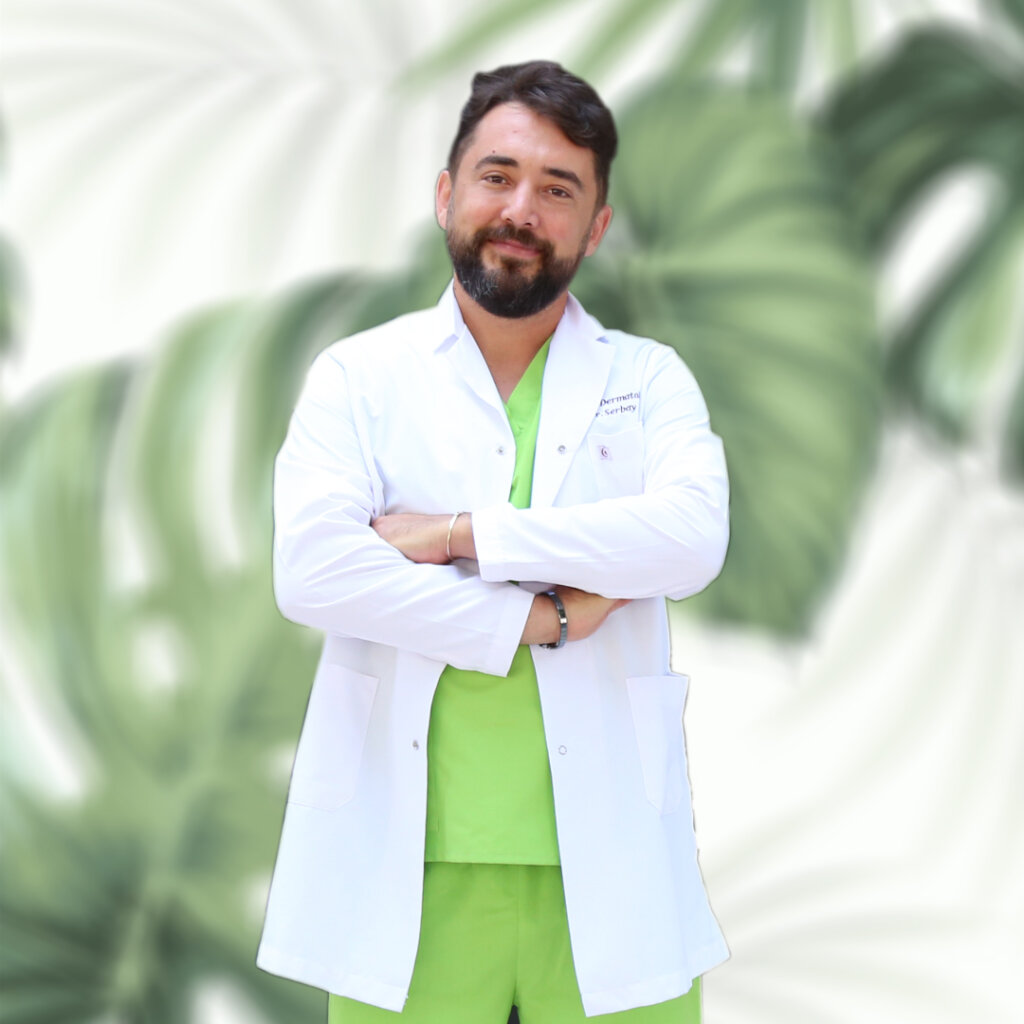
Whichever the suitable technique of mole removal is, the expertise and experience of the doctor carries a big importance for the success of the mole removal treatment. Thanks to the advanced medical technology and techniques, today it is very easy to get rid of a mole that is cosmetically unpleasant; mole removal cosmetic procedure should be performed by a doctor who is fully knowledgeable and highly experienced on this treatment.